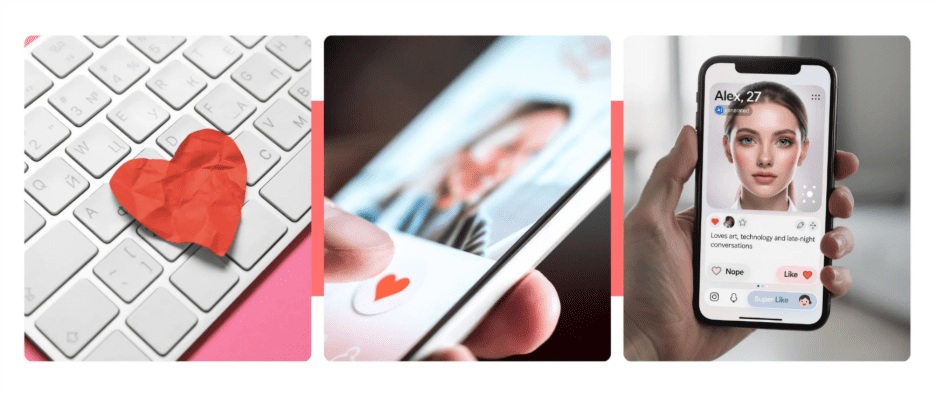
Deepfakes have crashed into Valentine’s, and they are not here for the flowers. This year will be even more intense. Scammers still hunt feelings and funds, and generative AI now lets fraud rings farm hearts and bank balances at an industrial scale. Any brand that cannot spot synthetic lovers is steering vulnerable users, and its own reputation, straight into the line of fire. Read on to see what is hottest right now in romance scams, and how to beat them before they beat your loyal customers.
Valentine’s Day used to mean surge‑priced roses, overbooked restaurants, and a few extra “you up?” messages from people who should have stayed in your past. In 2026, it also means something stranger: an inbox full of synthetic admirers and feeds full of deepfake romance scams engineered to squeeze emotion and money at scale. They slip into DMs, video calls, and comment threads with effortless charm, impeccable spelling, and faces that could front a skincare campaign. Without deepfake detection techniques, these scams thrive unchecked, turning hearts, trust, and reputations into collateral damage.
Fake Lovers, Real Consequences: The Rise of Online Romance Fraud
For high‑risk platforms, such as social media, dating apps, marketplaces and financial services, they are not quirky edge cases but full‑blown content moderation nightmares, forcing brands to confront the limits of their detection tools and wider Trust and Safety controls.
At the same time, it is not just about fake lovers and empty wallets. Valentine’s Day also brings a spike in harassment, hate and coercive behaviour, from abuse after a rejected advance to sextortion when intimate information is weaponised.
The Australian Banking Association warns that AI-driven romance scams are rising ahead of Valentine’s Day. Scammers use flawless profile photos, personalised chats, and deepfake calls to trick victims into bogus investments or money transfers. These scams can cause serious emotional and financial harm, sometimes even costing tens or even hundreds of thousands of dollars. (Australian Banking Association)
From Missed Signals to Material Risk
Falling behind is not just a technical gap or a missing Trust and Safety stack. It is a business risk that can quickly escalate into regulatory scrutiny, reputational damage, user churn and legal exposure, especially when users fall victim to romance fraud that drains their mental health alongside crypto or investment holdings.
The right protections, coordinated across people, processes and technology, shrink that risk and build resilience. Layered deepfake detection, wired directly into content moderation and fraud operations, must move from nice‑to‑have to a genuine priority. This is what safeguarding looks like in 2026, on ordinary days and at peak moments like Valentine’s, when both emotions and abuse volumes spike.
The Biggest Deepfake Romance Scam Threat in 2026
Today’s online romance villains operate at a massive, almost unlimited scale, assume countless identities, and face very few constraints when targeting people seeking genuine connections. The real danger is not only how realistic the deepfake romance scams look and sound, but how little friction there is to launch them, with capabilities once limited to niche experts now bundled into easy‑to‑use tools that put industrial‑scale manipulation within reach of low‑skilled fraud actors.
In this context, AI is increasingly used to exploit emotional relationships for financial gain and other forms of abuse, powering a new generation of manipulationsoften described as synthetic‑media‑driven fraud on virtual platforms.
Deepfakes are a very recent invention in the grand scheme of things. The term exploded in 2017, when a Reddit user called “deepfakes” started posting AI face‑swap videos. Advances in neural networks and GANs then turbo‑charged the tech, and easy‑to‑use tools soon put convincing fakes in almost anyone’s hands. For instance, DeepFaceLab’s own site and several studies report that more than 95% of deepfake videos are now created with its open‑source software.
Why Deepfake Romance Scams Scale So Fast
What really changes the game is that AI no longer just fabricates single assets, like one photo, one clip, or one voice note. So‑called agentic AI are simply the autonomous agents that can run long, multi‑step workflows, powering scams that can run entire relationships end‑to‑end with very little human input. They schedule messages, adjust tone and timing, trigger deepfake video calls and voice notes, and adapt the storyline over weeks or months with a human target on the other side.
When the Scam Becomes the Relationship
For Trust and Safety teams, the problem is no longer one fake profile or one dodgy clip, but a whole performance of synthetic intimacy stitched together by AI. These are the moments in the “relationship” where content moderation has to bite hardest, because this is exactly where users stop questioning and start trusting.
Here are the most popular, and frankly worrying, methods by which this plays out in 2026:
1. AI‑generated profile photos that beat basic checks
Many romance‑bait profiles now use faces generated entirely by AI: they look like real people, but the people they portray do not exist. Because these images have never appeared elsewhere, reverse‑image searches return clean results, and the profile appears “authentic” to users and simple verification tools, even though the identity is fully fabricated.
2. Personalised deepfake content that locks victims in
Scammers generate custom videos, intimate photos and “day in the life” clips that mirror a victim’s tastes, chats and shared jokes. This tailored content makes the relationship feel private and special, deepens emotional attachment and quietly shuts down scepticism when the first money request arrives, or an “investment opportunity” appears.
3. Voice cloning that powers fake “verification” calls
Attackers copy a voice from a short voicemail, social clip, or brief call, then make it say whatever they type. Victims hear the same familiar voice on dating apps, messaging platforms and phone calls, and treat that consistency as proof the person is genuine, even when everything else about the relationship is synthetic.
4. Deepfake video calls that break “proof of life”
Scammers join “verification” or first‑date calls behind AI face masks, with software swapping their features in real time, so the victim sees a completely different person moving and talking in sync. Video, images and audio can be generated or heavily edited with AI, including cloned voices built from just a few seconds of audio, so moments that never happened look and sound real; the video chat that used to be the ultimate safety check is now just another prop in the script.
5. Abuse and coercion when romance turns sour
Alongside synthetic lovers, moderators see predictable spikes in harassment, slurs and coercive “pay or share this” threats when advances are rejected, or intimate information has been shared. These may not always look like classic fraud, but they hit the same vulnerable users and flow through the same chats and calls, so deepfake and romance‑fraud protections have to work hand‑in‑hand with hate, abuse and sexual‑content policies.
The Philippine National Police explains that cybercriminals spend time building trust through long, personalised online conversations, gradually escalating intimacy with deepfake calls before eventually asking for money, investments, or sensitive personal information. AI‑generated content help make the relationship appear convincing and real. (Philippine National Police)
Deepfake Romance Scams: From UX Issue to Board Agenda
Beyond the impact on users’ experiences, online scams hit the same business‑critical metrics C‑suites track daily: payment fraud losses, chargebacks, customer support volumes, NPS, long‑term retention, and time‑to‑detect and time‑to‑resolve major incidents.
For global digital leaders, this makes it essential to treat deepfake‑driven romance fraud as a board‑level risk, with clearly defined ownership, a dedicated budget, and KPIs reported alongside core fraud, CX, and AI‑risk metrics.
In most situations, however, this level of synthetic manipulation means traditional checks are no longer enough. Only a layered approach combining robust deepfake detection, behavioural and contextual signals, and proactive content moderation can keep the scams in check at scale.
Once you understand how synthetic romance actually plays out on your platform, the next question is which deepfake detection techniques can realistically help you spot it in time.
Understanding Deepfake Detection Techniques
The practical question for any platform leader is which defences to prioritise before the next Valentine’s spike. You do not need a PhD in computer vision to make good decisions. What you actually should have is a clear view of which advanced deepfake detection techniques 2026 vendors offer and where each one falls short. No single method is foolproof, so the strongest protection comes from layering several approaches.
Digital Forensic Analysis
Think of this as treating an image or video like a crime scene. Tools look at basic file information, for example, when it was created and on what device. Then, they analyse any glitches in the picture to see if parts have been cut, pasted, or saved differently. On video, they scan frame by frame for jumps, blurring or strange movements around the face that suggest editing. Taken together, these deepfake detection techniques can reliably catch many amateur or first‑generation fakes.
For the business, the upside is that these checks are relatively mature, not too noisy and work well when experts take a second look at already‑flagged content. The downside is that skilled scammers can hide or fake this file’s information and produce much cleaner manipulation, so digital forensics cannot be your only line of defence. In practice, it works best as a back‑up layer: a deeper review of risky materials, not the main filter for everything users upload.
Biological Signal Detection
Biological checks focus on the small signs that a real, live person is in front of the camera. Systems watch for natural eye movement, blinking, tiny facial twitches, and realistic lighting and skin shadows. These are details that deepfakes still struggle to copy perfectly. When those “signals of life” are missing or appear impossible, the clip is likely treated as fake.
For online leaders, the appeal is clear: it is much harder for scammers to fake true human behaviour than to paste a nice face into a frame. These checks are powerful for real‑time selfie and “proof of life” videos at sign‑up or before high‑risk actions, such as payments or account recovery. The trade‑off is that they need reasonable video quality and stable lighting, so older phones, bad cameras or poor connections can cause problems. Used well, biological signal analysis sits at the front door: it strengthens live video verification at key points in the romance journey.
Deep Learning-Based Detection
Here, platforms use the same kind of AI that creates deepfakes to spot them. Large models are trained on many real and fake images and videos so they can detect subtle patterns no human would see, then score each upload as more or less likely to be synthetic. These systems are usually built straight into the moderation pipeline, so suspicious content is flagged automatically in real time.
The big advantage is scale: this is the only family of methods that can scan millions of users and billions of posts and messages enough to matter. The cost is that building and running them in‑house requires specialist teams, powerful hardware, and constant retraining as scammers change tactics, and false positives remain a concern. That is why many platforms look to specialist deepfake-detection companies and keep humans in the loop for final decisions on sensitive romance cases.
Behavioural and Contextual Analysis
Even the best deepfake has to be used in an account and conversation. Behavioural and contextual analysis stops looking at pixels and instead asks how accounts behave: how fast they create profiles, how many chats they run at once, how messages change around key dates like Valentine’s, and when money or off‑platform contact details appear. It also looks at device fingerprints and social‑graph links to see whether a “new romantic interest” belongs to a known scam cluster.
The strength of this approach is that it can catch scammers even when their photos and videos look convincing, by focusing on the pattern of the romance scam rather than the media alone. Red flags such as dozens of intense love‑bombing chats from the same IP range, sudden pressure to invest or secrecy around payments are hard to hide at scale. The challenge is that this requires a lot of carefully governed user data and well‑designed risk scoring that balances fraud reduction with privacy and regulatory requirements. Done well, it is the glue that ties all the other layers together into one risk picture your teams can act on in real time.
Deepfake Detection Options for Romance Scams
The table below shows the main ways platforms can spot artificial manipulation and fraud, and where each approach works best. It also highlights their limits and rough cost level, so online services can plan realistic defences for everyday use and for high‑risk peaks such as Valentine’s Day.
Detection technique
Metods againts scams
Key limits
Cost
Digital forensic analysis
Checking already‑flagged photos and videos
Needs experts; good fakes slip through
Medium
Biological signal detection
Live selfie and “proof of life” checks
Needs a good camera, light and signal
High
Deep learning‑based detection
Fast screening of huge volumes of content
Costly; can mis‑flag real users
Very high
Behavioural and contextual analysis
Spotting scam patterns across users and chats
Needs lots of data; privacy concerns
Medium‑high
Platform‑Specific Detection Frameworks
Online services face very different deepfake and romance‑scam threats, and those risks spike around Valentine’s Day when people use dating apps, social feeds and marketplaces more intensely. A one‑size‑fits‑all approach either blocks too much and annoys users at exactly the wrong moment or misses the scams that matter most. Tailored action plans balance security with user experience and focus on how people actually date, post and shop on your platform during both everyday use and high‑emotion peaks like Valentine’s.
Social Media and Content Moderation
On social platforms, Valentine’s brings a flood of romantic posts, which scammers exploit with deepfake videos, memes and fake creator content in DMs. Strong defences use pre‑publish checks for high‑reach accounts, easy reporting and fast takedowns once a deepfake is confirmed, plus extra monitoring for deepfaked influencers and celebrity posts.
When these stories spill into politics or social issues, platforms are expected to act like serious Trust and Safety platforms, with higher vigilance, fact‑checking partners and clear context labels, backed by cross‑platform, multilingual teams that track the same deepfakes as they hop between apps.
Dating Platforms and Romance Scam Prevention
Dating apps are at the centre of AI‑driven romance scams, especially around Valentine’s Day. Effective deepfake detection techniques for dating apps start at sign‑up with a short selfie video, simple liveness prompts, and, where allowed, ID checks for higher‑risk users.
After that, romance scam deepfake detection platforms help watch for fast moves off‑platform, sudden love‑bombing and early requests for money, gift cards or crypto disguised as gifts or emergencies. Simple in‑app warnings, Valentine’s safety tips, report buttons and trust signals show users what to do, and many apps lean on BPO partners for 24/7, multilingual cover when Valentine’s traffic and emotions spike.
E‑commerce and Marketplace Safety
Marketplaces mainly see deepfake‑linked romance scams as fake sellers and fake support agents, especially as people buy Valentine’s gifts and experiences. Seller‑side checks like video KYC, bank‑account verification and behaviour monitoring help catch accounts that suddenly pivot into romance‑style outreach or off‑platform payment pushes.
At the same time, buyer‑side protections focus on verified support channels, warnings about Valentine‑themed phishing, and deepfake-detection checks on sensitive calls. Multi‑factor authentication and deepfake checks on video‑based confirmations, tied into fraud tools and cross‑platform deepfake detection techniques delivered as a service, help flag suspicious romance‑linked activity across chat, email, video and calls when Valentine’s pressure is highest.
Building Your Digital Deepfake Defence Strategy
The right defence depends on who uses your platform and what they do there. A product with 10,000 users faces very different exposure from one with 10 million, and older or more vulnerable users are more likely to be targeted by romance and investment scams. Geography matters too: the EU, US and APAC all have different rules on data, biometrics and harmful content.
Assess Your Risk Profile
Start with your core use case: dating apps face synthetic romance, social platforms face viral misinformation and fake creators, and marketplaces face seller and payment fraud. Look at current scam rates, user reports, support volumes and trends to see how deepfakes are changing things. Then map your regulatory exposure: sector rules, privacy laws such as GDPR or CCPA, and any guidance on liability for user‑generated synthetic media.
Build vs Buy vs Outsourcing
Building your own detection stack only makes sense for a few players with huge user bases, deep ML budgets, and a strategy where safety is a core differentiator. Even then, teams, hardware, and constant tuning push costs into the high six- or seven-figure range. Buying tools from deepfake detection companies is faster but still requires integration work, a human review layer, and tight control over per‑API‑call spend as scam volumes grow.
For many businesses, a third route works better: partnering with a BPO that provides an outsourced Trust and Safety platform for dating apps, social networks, and marketplaces. This model scales from small pilots to large queues, lets you pay for outcomes rather than infrastructure and keeps you flexible when tools or threats change. Look for proven moderation experience, multilingual teams, 24/7 cover, clear escalation paths, and specific experience in your vertical.
Implementation Roadmap
A phased rollout keeps risk manageable. Start with a short assessment: current scam rates, the worst‑hit user groups and the KPIs that matter most, such as fraud losses, false‑positive rates and user satisfaction. Then pick detection techniques that fit your platform type and test them on a sample of content before scaling up.
Use Strengths of Both AI Tools and Human Moderators
Automation is vital, but it cannot judge context on its own. Only people can reliably tell whether a deepfake is satire, protest or a malicious romance scam, and they are better at catching slang, tone and emotional pressure that AI still misses.
Human moderation teams spot patterns that no model can yet and provide 24/7, multilingual coverage that scams cannot simply route around. Their labelled decisions feed back into synthetic media detection techniques, helping your AI improve faster than automation alone.
Key Red Flags to Highlight for Users
Alongside technical deepfake defences, every virtual service should teach users to spot simple warning signs in their own conversations, especially when relationships feel intense, romantic, or emotionally delicate. Below are some of the clearest red flags you can highlight for them.
User red flag
What platforms should highlight
Pressure to move off‑platform
When someone pushes you to switch quickly to private messaging apps or encrypted chats.
Requests for secrecy
When they ask you to keep the relationship or payments “just between us”.
Sudden emergencies
Urgent stories about medical bills, travel, or family crises that require fast money.
Investment pitches
“Exclusive” crypto, trading, or business opportunities that promise high, safe returns.
Avoiding verified video
Constant camera “issues” or refusing verified video calls while still asking for trust or money.
Changing stories
Details about work, family, or location that don’t match earlier messages or profiles.
Conclusion
Deepfake tools are racing ahead: faster, cheaper and harder to spot, with real‑time face swaps and near‑instant voice clones now standard in romance scams. Effective romance scam prevention is no longer about one clever feature. Keeping your platform safe on Valentine’s Day means a few layered, grown‑up choices.
You harden onboarding, watch for synthetic intimacy as it builds, and give users simple ways to spot red flags and ask for help. At the same time, your teams quietly connect media checks, behaviour signals, and human judgment, supported by deepfake detection companies and in‑house expertise where it matters most.
The next wave of threats will stitch video, voice and chatbots into full fake personas that groom victims over weeks, fuelled by deepfake‑as‑a‑service anyone can rent. For digital companies, waiting is now the riskiest move: treat deepfake‑driven romance scams as a board‑level risk, invest in detection across text, audio and video, and use the strengths of both AI and moderators so Valentine’s and the rest of the year become a stress test you are ready to pass, not a panic spike.
FAQ Section
1. Why are deepfake romance scams so dangerous for platforms?
Deepfake romance scams mix emotional manipulation with highly realistic fake media, so users stop questioning and start trusting just before the money is asked. For any trust and safety platform, this turns into fraud losses, chargebacks, support spikes, churn, and, increasingly, regulatory and reputational risk.
2. What should we prioritise before Valentine’s Day?
Focus on three things: stronger onboarding (selfie and liveness checks on high‑risk users), tighter monitoring of synthetic intimacy (fast moves off‑platform, love‑bombing, early money asks) and clear in‑app warnings plus easy reporting during the Valentine’s period. These moves give you a quick uplift without redesigning your whole stack and help you stay ahead of 2026 deepfake romance scam trends.
3. Which deepfake detection techniques actually make a difference?
No single method is enough. You get the best results by layering four families: digital forensics on risky media, biological checks for “proof of life” video, deep‑learning models for large‑scale screening, and behavioural/context signals to catch convincing fakes that behave like scammers. Together, these AI‑powered deepfake detection techniques give you coverage across media types and attack patterns.
4. Do we really need human moderators if we have good AI?
Yes. AI is fast, but it still misses context, culture, slang, and emotional nuance, especially in romance chats and synthetic media fraud on dating platforms. Human moderators close that gap, make the hard calls on grey‑area content, and feed labelled examples back into your models, so detection improves rather than degrades over time.
5. Should we build detection in‑house, buy tools or partner?
Full in‑house stacks make sense only for a few very large, safety‑led platforms with deep ML budgets. Most teams do better with a mix of specialised tools and outsourced deepfake detection services from a trust‑and‑safety BPO partner, so they pay for outcomes, get 24/7 multilingual cover and stay flexible as threats and vendors change.
6. How do we know if our Valentine’s defence is working?
Track a small set of metrics: romance‑scam losses, chargebacks, user reports, false‑positive rates and time‑to‑detect/time‑to‑resolve incidents across the Valentine’s peak. If those numbers improve while sign‑ups, engagement and NPS remain stable or rise, your layered approach is doing its job.
Data Annotation in Healthcare: How Better Labels Save Time, Money, and Lives
What once lived in research papers is now part of hospitals, medical units, wards, and back‑office teams, quietly transforming healthcare from the ground up. And if you need proof, follow…
Business Process Outsourcing Definition: What Every Leader Should Know in 2026
The question smart leaders now ask is not “How much can we save?” but “Which parts of our business could run better, faster, and smarter with the right partner engine…
For contact centres, this sharply raises the bar, and many traditional CX setups are simply insufficient. Success now lies in building a truly integrated omnichannel machine, where all the systems…
What is in-game moderation? The ultimate guide for gaming companies
Communities do not become toxic by accident. They get that way when teams treat oversight as a patch rather than a pillar. The real shift is seeing in-game moderation as part…
Call Centre Automation in 2026: Trends, Benefits, and Strategic Considerations
For CX leaders, that difference is critical. Tech empowerment can be a lever for new journeys, new economics, and new roles for agents, or it can be a layer of…
AI Personalisation in Customer Experience: A Strategic…
AI Personalisation in Customer Experience: A Strategic Guide
Across sectors, people now assume this level of individual relevance. Whether they are booking travel, shopping, managing their health, or handling money, they expect brands to respond as if there…


 Go back to Blog